

Asian Pear
Asian pear (Pyrus pyrifolia), also known as nashi or apple pear, is a crisp, juicy fruit native to East Asia. Renowned for its sweet, refreshing taste and apple-like texture, it’s a favorite in Chinese, Japanese, and Korean cuisines. Perfect for fresh eating, salads, or desserts, Asian pears offer versatility in the kitchen. Packed with fiber, vitamins, and antioxidants, they support digestion and heart health. This garden package guides you through growing, cooking, and enjoying the health benefits of Asian pears at home.

GARDEN
Growing Asian Pear
Asian pear (Pyrus pyrifolia) is a deciduous fruit tree from the Rosaceae family, prized for its crisp, juicy fruits. Native to East Asia, it thrives in temperate climates and is a rewarding addition to home orchards. Growing Asian pears requires attention to site selection, pollination, and care, but with proper techniques, you can enjoy bountiful harvests in 3–5 years. Here’s a detailed guide, including a step-by-step process to get started, to help you cultivate healthy Asian pear trees.
Site Selection and Soil: Choose a sunny location with 6–8 hours of direct sunlight daily, as Asian pears thrive in temperatures between 65°F and 85°F (18°C–29°C). They’re hardy in USDA zones 5–9 but require protection from late frosts. Well-drained, loamy soil with a pH of 6.0–6.5 is ideal. Test soil and amend with compost or organic matter to improve fertility and drainage. Avoid heavy clay soils to prevent root rot. For container growing, use a 20–24-inch pot with drainage holes.
Step-by-Step Planting Guide: Starting your Asian pear tree is simple with these steps:
Select a Healthy Sapling: Choose a 1–2-year-old grafted tree from a reputable nursery, preferably on dwarf or semi-dwarf rootstock (e.g., OHxF 97) for manageable size.
Prepare the Planting Hole: Dig a hole twice as wide and as deep as the root ball (about 2 feet wide and deep). Loosen soil to encourage root growth.
Amend Soil: Mix excavated soil with compost (1:1 ratio) to enrich it. Avoid fresh manure, which can burn roots.
Plant the Tree: Place the tree in the hole, ensuring the graft union is 2–3 inches above soil level. Spread roots gently and backfill with soil, tamping lightly to remove air pockets.
Water Thoroughly: Water deeply (about 1 gallon) to settle the soil. Add a 2–3-inch layer of mulch (e.g., wood chips) around the base, keeping it away from the trunk.
Stake if Needed: Use a stake for support in windy areas, securing the tree loosely to allow movement.
Pollination and Pruning: Asian pears require cross-pollination for fruit set. Plant at least two compatible varieties (e.g., Shinseiki and Hosui) 20–30 feet apart, or ensure pollinators like bees are active. Prune annually in late winter to remove dead wood, improve air circulation, and maintain an open-center shape. Thin fruits to one per cluster (4–6 inches apart) to enhance size and quality.
Watering and Fertilization: Water young trees weekly (1–2 gallons), ensuring soil stays moist but not waterlogged. Mature trees need less frequent watering, about every 10–14 days in dry periods. Apply a balanced fertilizer (e.g., 10-10-10) in early spring, avoiding excess nitrogen to prevent weak growth. Organic options like compost tea work well.
Pest and Disease Control: Common pests include codling moths, aphids, and spider mites. Use organic sprays like neem oil or introduce beneficial insects like ladybugs. Fire blight and pear leaf spot are potential diseases; remove affected branches and avoid overhead watering. Regular monitoring and sanitation keep trees healthy.
Harvesting: Asian pears ripen in late summer to early fall (August–October). Harvest when fruits are firm, crisp, and fully colored (golden or bronze, depending on variety). Unlike European pears, Asian pears are picked ripe, as they don’t soften post-harvest. Store in a cool, humid place (32°F–40°F) for up to 3 months.
Varieties and Yield: Popular varieties include Shinko (disease-resistant, sweet), Nijisseiki (crisp, juicy), and Chojuro (rich flavor). A mature tree yields 100–150 pounds of fruit annually, making it a productive choice for home gardeners.
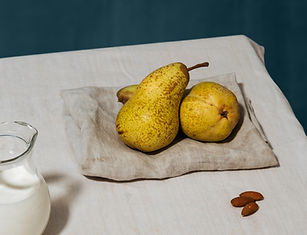
RECIPE
Asian Pear Recipes
Asian pear’s crisp texture and sweet, floral flavor make it a star in both sweet and savory dishes across East Asian cuisines. Below are three recipes from different countries, showcasing its versatility. Each recipe serves 4 and highlights the fruit’s refreshing qualities.
Korean Asian Pear Salad (Bae Salad, Korea)
Ingredients: 2 Asian pears (peeled, julienned), 1 cucumber (julienned), ½ red onion (thinly sliced), 2 tbsp rice vinegar, 1 tbsp sesame oil, 1 tsp soy sauce, 1 tsp toasted sesame seeds, pinch of gochugaru (Korean chili flakes).
Instructions: Combine Asian pear, cucumber, and red onion in a bowl. Whisk rice vinegar, sesame oil, soy sauce, and gochugaru to make dressing. Toss salad with dressing and refrigerate for 15 minutes. Sprinkle with sesame seeds before serving. This light, tangy salad pairs perfectly with Korean BBQ or rice dishes, offering a crisp, refreshing contrast.
Chinese Poached Asian Pears (Poached Nashi, China)
Ingredients: 4 Asian pears (peeled, cored, halved), 4 cups water, ½ cup rock sugar, 2 star anise, 1 cinnamon stick, 1 tbsp goji berries, 1 tsp vanilla extract.
Instructions: In a pot, combine water, rock sugar, star anise, and cinnamon stick; bring to a boil until sugar dissolves. Add Asian pears and simmer on low for 20–25 minutes until tender. Remove pears and reduce syrup by half. Add goji berries and vanilla; drizzle syrup over pears. Serve warm or chilled. This dessert, popular in Chinese cuisine, is soothing and subtly sweet, perfect for festive occasions.
Japanese Asian Pear Sorbet (Nashi Sorbet, Japan)
Ingredients: 3 Asian pears (peeled, cored, chopped), ½ cup sugar, ½ cup water, juice of 1 lemon, 1 tbsp sake (optional).
Instructions: Boil sugar and water to make a simple syrup; cool completely. Blend Asian pears, lemon juice, and sake until smooth. Mix with syrup and churn in an ice cream maker for 20–30 minutes. Freeze for 2 hours before serving. Garnish with mint. This refreshing sorbet captures Japan’s love for delicate, fruit-forward desserts, ideal for summer evenings.
Preparation Tips: Choose firm, unblemished Asian pears for best texture. Peel for smoother dishes like sorbets, but keep the skin for salads to add crunch. Store uncut pears in the fridge for up to a month. Asian pears pair well with ginger, honey, or savory ingredients like soy sauce. Experiment by adding them to stir-fries or smoothies for a modern twist.
Cultural Notes: In East Asia, Asian pears symbolize prosperity and are gifted during festivals like Lunar New Year. Their crispness makes them ideal for raw preparations, while poaching enhances their sweetness. These recipes bring out the fruit’s global appeal, making it a delightful addition to any kitchen.

HEALTH
Health Benefits of Asian Pear
Asian pear is a nutritional gem, low in calories (42 kcal per 100g) and rich in fiber, vitamins, minerals, and antioxidants. Its high water content (88%) makes it hydrating, while its bioactive compounds support overall wellness. Below, we explore its health benefits and list the top ten nutritional components, drawing on its use in traditional Chinese and Ayurvedic medicine.
Top Ten Nutritional Values (per 100g, raw):
Water: 88g – Hydrates the body, supports digestion.
Dietary Fiber: 3.6g – Promotes gut health, aids weight management.
Vitamin C: 3.8mg – Boosts immunity, acts as an antioxidant.
Vitamin K: 4.5µg – Supports blood clotting and bone health.
Potassium: 121mg – Regulates blood pressure, supports heart function.
Copper: 0.05mg – Aids iron absorption, supports connective tissue.
Magnesium: 8mg – Enhances muscle and nerve function.
Folate: 8µg – Supports cell division, vital for pregnancy.
Carbohydrates: 10.6g – Provides energy, primarily from natural sugars.
Antioxidants (Flavonoids): Trace amounts – Reduce inflammation, protect cells.
Digestive Health: The high fiber content promotes regular bowel movements, prevents constipation, and supports a healthy gut microbiome. Soluble fiber forms a gel, slowing digestion and enhancing satiety, which aids weight management. Asian pear’s cooling properties in traditional medicine soothe digestive issues like bloating.
Heart Health: Potassium helps regulate blood pressure by counteracting sodium, reducing cardiovascular strain. Low sodium (0mg) and cholesterol-free properties make it heart-friendly. Flavonoids like quercetin may lower LDL cholesterol and reduce heart disease risk, per preliminary studies.
Immune Support: Vitamin C strengthens immunity, protecting against infections. Antioxidants combat free radicals, potentially lowering chronic disease risks. In Chinese medicine, Asian pear is used to relieve coughs and sore throats, often consumed as a juice or tea.
Hydration and Skin Health: High water content keeps the body hydrated, supporting skin elasticity and kidney function. Vitamin C aids collagen production, promoting youthful skin. Traditional uses include pear-based masks for hydration and glow.
Blood Sugar Regulation: Low glycemic index (around 20–25) ensures a slow blood sugar rise, suitable for diabetic diets. Fiber slows glucose absorption, stabilizing insulin levels. Consult a doctor before relying on it for diabetes management.
Bone and Muscle Health: Vitamin K and magnesium support bone density and muscle function, reducing osteoporosis risk. Copper aids connective tissue formation, enhancing joint health.
Precautions: Asian pears are generally safe but high in fiber, so overconsumption may cause digestive discomfort. Those with fructose intolerance should eat in moderation. Always wash thoroughly to remove pesticides. With its impressive nutritional profile, Asian pear is a delicious, health-boosting fruit for any diet.